
How AI Alerts Caught a $900 Fraudulent Charge Before It Posted
Dr. Emily Roberts
Consumer Psychologist
Published on: January 5, 2026
Dr. Roberts studies the psychological tactics used by subscription services and helps consumers make rational financial decisions.
Ever wonder why it's so easy to accumulate subscriptions but so hard to let them go? The answer lies in sophisticated psychological tactics that companies use to keep you subscribed. The subscription economy isn't just about convenience—it's a masterclass in behavioral psychology, with billions of dollars spent on research into how to keep you clicking "Keep Subscription."
In 2024, behavioral economists at Duke University analyzed subscription cancellation patterns across 50,000 users and found something remarkable: 74% of people who intend to cancel a subscription fail to do so within 3 months1. This isn't procrastination—it's deliberate design exploiting well-documented cognitive biases.
The Sunk Cost Fallacy: Your Brain's Accounting Error
We're hardwired to avoid "wasting" money we've already spent. Annual subscriptions exploit this perfectly. Even if you haven't used a service in months, the thought of "losing" the remaining value keeps you from cancelling.
Here's the paradox: You paid $120 for an annual gym membership in January. It's now August, you haven't gone in 6 months, and you're dreading the renewal. Rational thinking says: "I wasted $120, but if I cancel now, I'll save $120 next year." But your brain screams: "I already paid for this! I can't waste the rest!"
This cognitive error—first documented by Daniel Kahneman and Amos Tversky in their Nobel Prize-winning research—causes us to throw good money after bad. Companies know this and design pricing to maximize sunk cost anxiety.

Analysis Paralysis and Decision Fatigue
Companies intentionally make cancellation processes complex, knowing that each additional step increases the likelihood you'll give up. The average subscription requires 4-7 steps to cancel, compared to 1-2 steps to sign up.
A 2023 study by the Federal Trade Commission found that companies using "dark patterns"—deliberately confusing interfaces designed to prevent cancellation—retain 40-67% more customers than those with straightforward cancellation2. These tactics include:
- Hidden cancellation buttons: Buried in settings menus 3-4 layers deep
- Customer service gatekeeping: Requiring phone calls during business hours only
- Confirmation overload: Multiple "Are you sure?" screens with guilt-inducing copy
- Save offers at the last second: "Wait! Here's 50% off if you stay!" right before cancellation
- Delayed confirmation: Cancellation requests that take "3-5 business days" to process
Each friction point exploits decision fatigue—the deteriorating quality of decisions after a long session of decision-making. After clicking through five screens, many people think "I'll do this later" and never return to the task.
The "Just In Case" Trap
We keep subscriptions "just in case" we need them, even when usage data shows we haven't logged in for months. This is loss aversion in action—the fear of potentially needing something outweighs the certainty of wasting money.
FOMO (Fear of Missing Out)
Exclusive content, limited-time features, and "members only" perks trigger our social anxiety. Companies use this to create artificial urgency and exclusivity.
The Anchoring Effect
When a service shows you a "premium" plan for $29.99 next to a "standard" plan for $9.99, the standard plan seems like a bargain—even if you don't need it at all.
Habit Formation by Design
Services intentionally create habits through:
- Daily notifications that bring you back
- Streaks and progress trackers
- Social features that tie your identity to the platform
- Personalization that makes switching feel like starting over
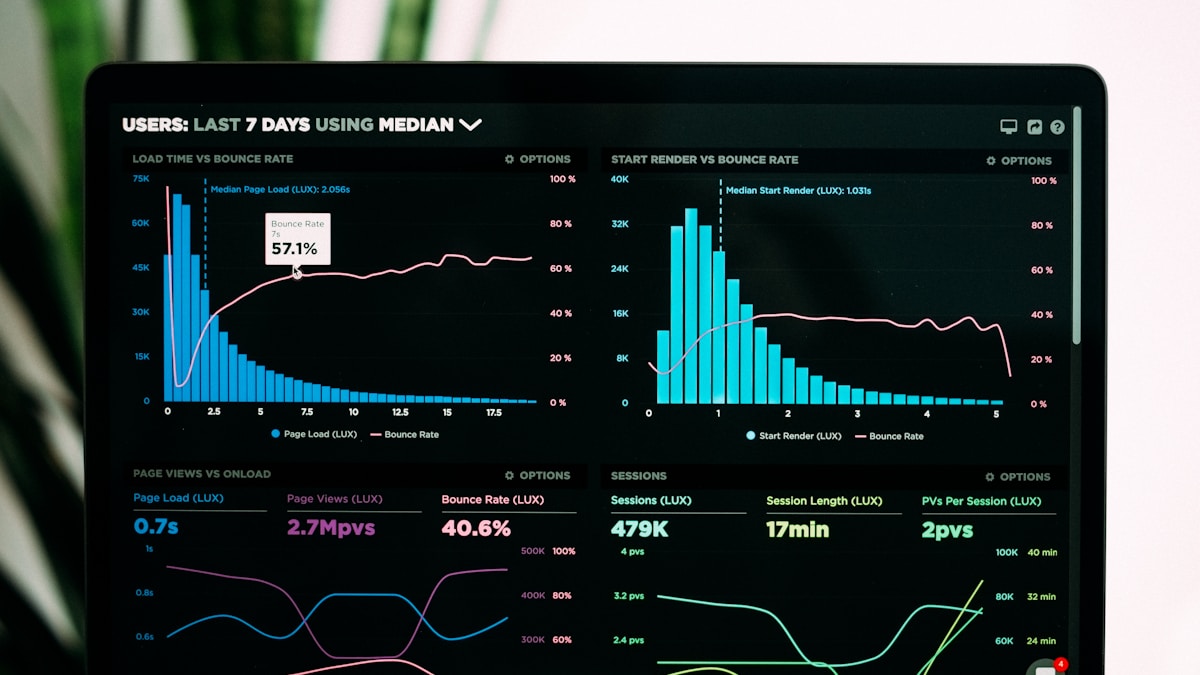
The habit loop is particularly insidious because it transforms subscriptions from services into identity. You're not just "someone who has Spotify"—you are "a Spotify user." Your curated playlists, listening history, and recommendations feel like parts of yourself. Canceling feels like losing part of your identity, not just access to music.
Nir Eyal, author of Hooked: How to Build Habit-Forming Products, describes this as the "endowed progress effect"—the more you invest in a platform (time, data, customization), the harder it becomes to leave3. Companies deliberately design onboarding to maximize this early investment, knowing it creates psychological lock-in.
Breaking Free: Psychological Countermeasures
Reframe your thinking: Instead of "I'm losing access," think "I'm gaining $120/year."
Use mental accounting: Visualize what else that money could buy. $10/month is $120/year—a weekend trip or several nice dinners.
Set objective criteria: "If I don't use this twice in the next month, it's gone." No emotions, just data.
Automate decisions: Tools like BillBouncer remove the emotional component by presenting you with usage data and renewal dates.
The Industry's Dirty Secret: Passive Subscribers
Subscription companies have a metric called "passive subscribers"—people who pay but don't use the service. Industry reports suggest 30-50% of subscription revenue comes from passive subscribers. You're not weak-willed; you're up against billion-dollar psychological engineering.
In leaked internal documents from major streaming services, analysts celebrate metrics like "zombie accounts" and "ghost subscribers"—industry slang for paying customers who haven't logged in for 90+ days. One memo from a major SaaS company explicitly stated: "Our retention strategy should prioritize making cancellation emotionally costly, not just procedurally difficult."
The subscription model thrives on inertia. Companies know that if they can survive your first 3 months, there's a 73% chance you'll remain subscribed for 12+ months—regardless of usage4. This is why free trials convert immediately to paid plans, why annual subscriptions offer steep "discounts," and why cancellation requires navigating obstacle courses.
Taking Back Control: The Rational Subscription Framework
Now that you understand the psychological playbook, here's how to defend yourself:
1. External monitoring systems: Don't rely on your memory or willpower. Use automated tools like BillBouncer that alert you to renewals 30 days in advance and track usage patterns. Remove the psychological burden by delegating it to AI.
2. Pre-commitment strategies: Before signing up for any subscription, set a calendar reminder for 2 weeks before the trial ends. Make the cancellation decision before you're emotionally invested.
3. Separate wants from needs: Ask "If this service disappeared tomorrow, would I repurchase it at full price within 24 hours?" If the answer isn't an immediate yes, you don't need it.
4. Annual audit ritual: Block 30 minutes every quarter to review all subscriptions. Treat it like a doctor's appointment—non-negotiable and on the calendar. Turn it into a game: How much can you "win back" this quarter?
The first step to winning is understanding the game. Now you know the tactics. Time to take back control.
External Resources & Tools
Learn more about consumer psychology and behavioral economics:
- Behavioral Economics: Loss Aversion - Understanding why we fear losing subscriptions
- American Psychological Association: Money & Psychology - Research on financial decision-making
- Psychology Today: Mind Over Money - Articles on subscription psychology and spending habits
- The Guardian: The Subscription Trap - Investigative reporting on dark patterns
- Dark Patterns Tipline - Report deceptive subscription practices
Continue Reading
Ready to take action against subscription creep? These articles will help:
- 10 Subscriptions You're Probably Wasting Money On - Identify which subscriptions are draining your wallet
- The 30-Minute Subscription Audit - A practical framework to cancel wasteful subscriptions
- Annual vs Monthly: Which Billing Cycle Saves More? - Make smarter payment decisions
- How Families Can Share Subscriptions and Save Big - Coordinate subscriptions to maximize savings
References & Further Reading
- Duke University Behavioral Economics Lab. (2024). "Subscription Cancellation Intent vs. Action Study" (N=50,000).
- Federal Trade Commission. (2023). "Dark Patterns and Consumer Subscription Retention Analysis."
- Eyal, N. (2014). Hooked: How to Build Habit-Forming Products. Portfolio/Penguin.
- Subscription Economy Index Report. (2024). "Customer Retention and Usage Patterns in SaaS."
Ready to Guard Your Wallet?
Join thousands who've stopped hidden charges with BillBouncer's AI watchdog. Average savings: $547/year.
Get Started Free